Nihonga Chic Art Deco in Japan Modernization in China, Japan and Asia
The early twentieth century marked a remarkable moment of cultural transformation across Japan, China, and the broader Asian world. As societies modernized, artists and designers began reinterpreting traditional visual languages while engaging with new global influences.
During the Taishō and early Shōwa periods, a refined modern aesthetic emerged—one shaped by international exchange, urban culture, and a renewed appreciation for classical traditions. The dialogue between East and West created a distinctive visual world where elegance, modernity, and tradition coexisted.
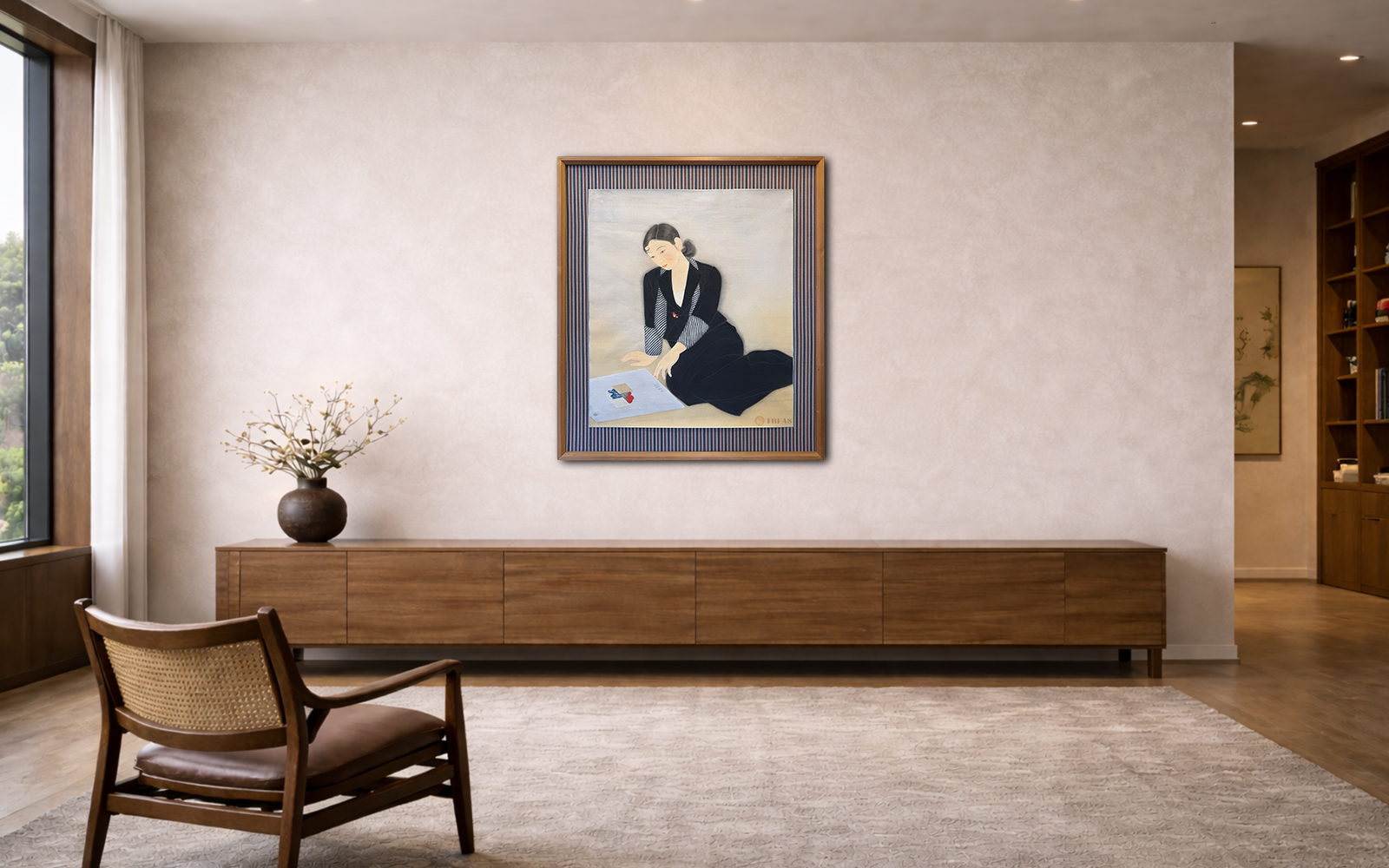
Drawn from the collection of Tusha Buntin (TBFAS), this carefully curated selection highlights artworks that capture this pivotal moment in Asian visual culture, when historical traditions and modern sensibilities came together to shape a new artistic vision.
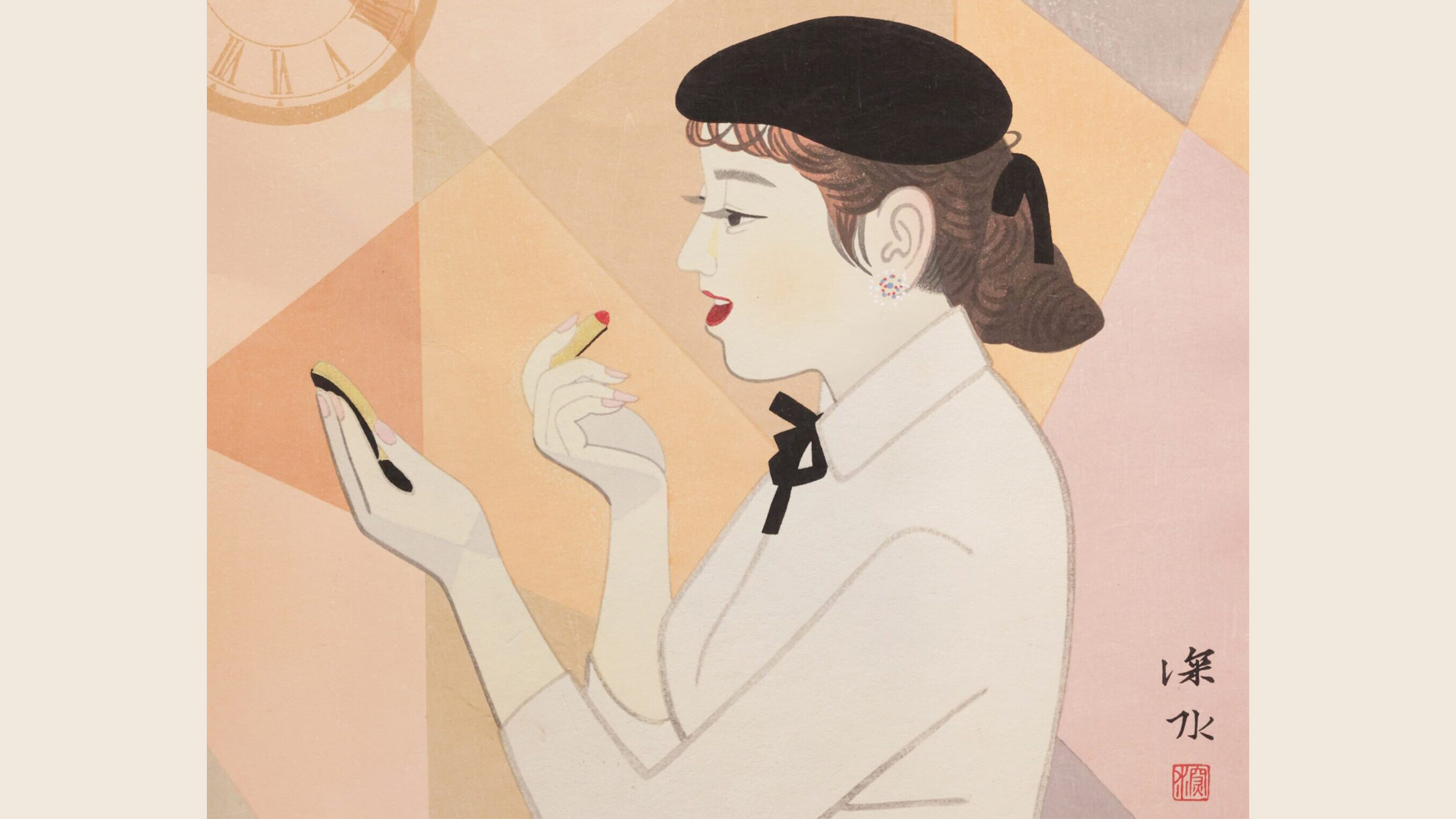
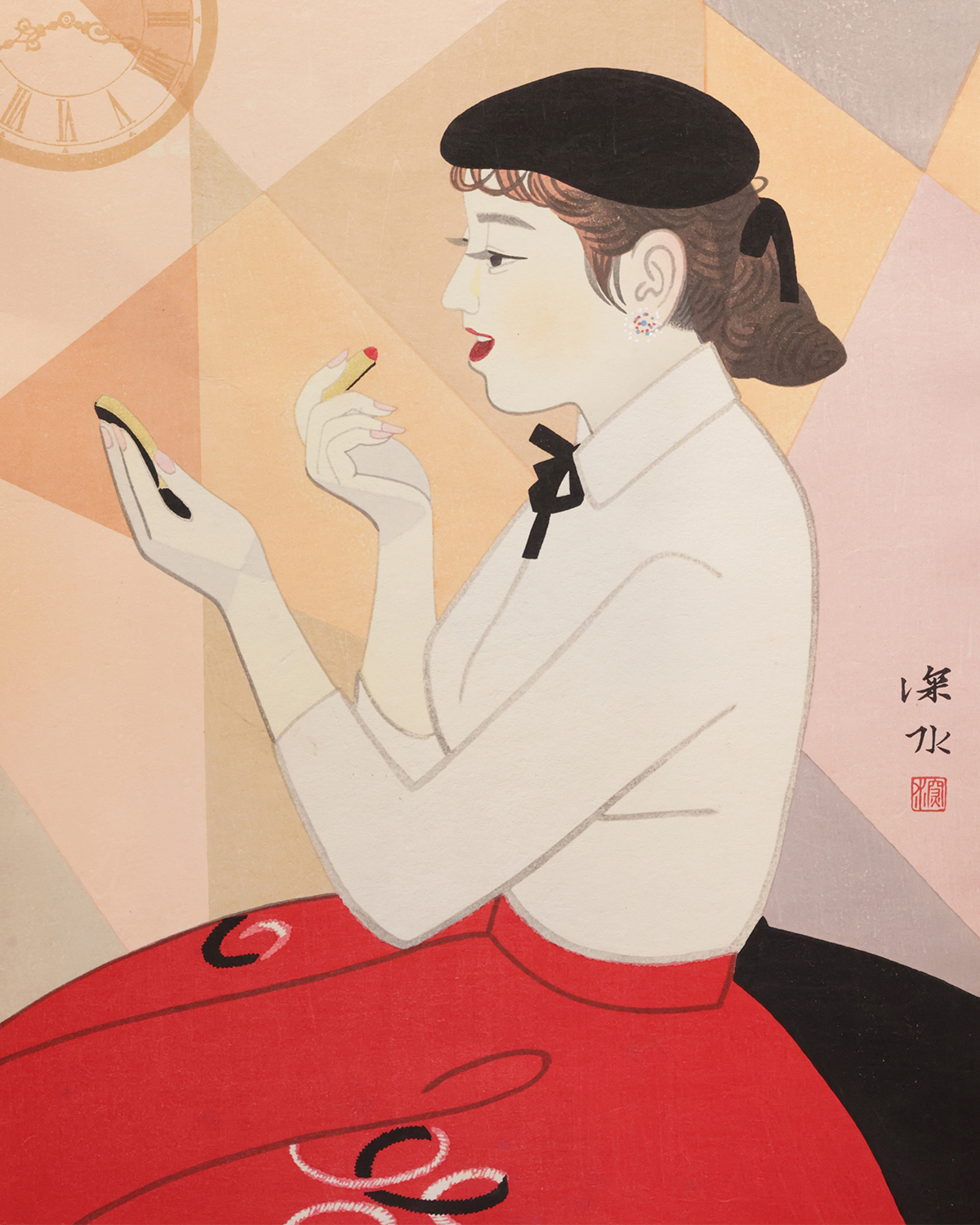
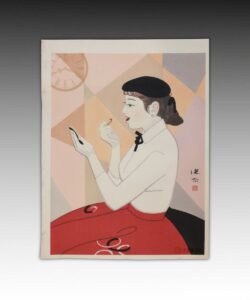
Fashion imagery offers a vivid window into the spirit of this transformative era. Western cinema, art, and women’s magazines introduced new ideas of elegance and modern life to Japan and Asia. The glamour of the Jazz Age—evoking the world of The Great Gatsby—inspired new expressions of cosmopolitan style.
Artists and illustrators embraced these influences through images of sophisticated women, refined garments, and decorative design. These works reflect the intersection of fashion, media, and art, capturing the emergence of modern identity and style across Asia.
Paintings
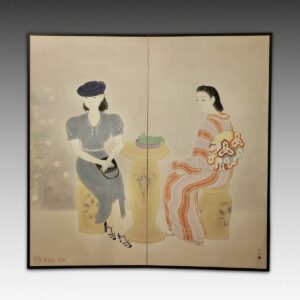
Spring Fashion 1934 Unsigned Artist
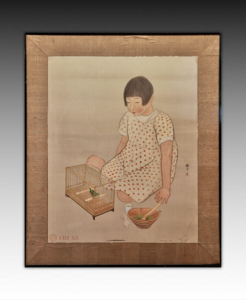
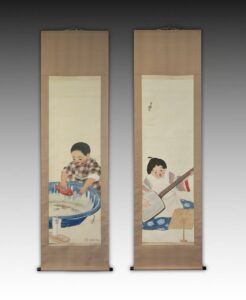
Taisho Child with pet bird Mejiro
Umeko
Ryoya (A Moonlight Night)
Terashima Shimei
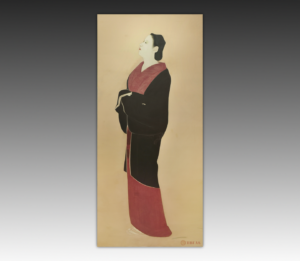
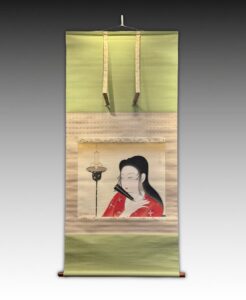
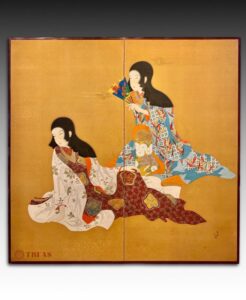
Jigoku Tayu
Kainosho Tadaoto?
Shunsho
Nakamura Daizaburo
Tanabata unsigned
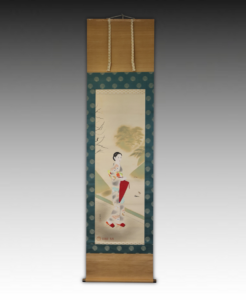
After the Rain – A Mild Spring Day Harumi Tateishi
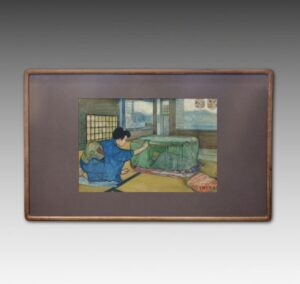
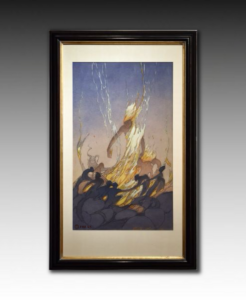
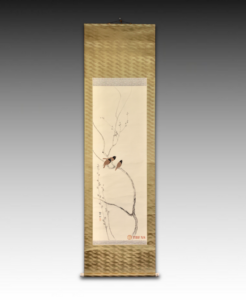
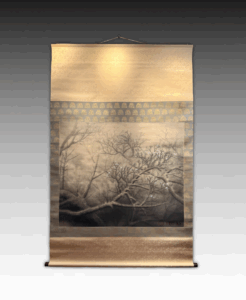
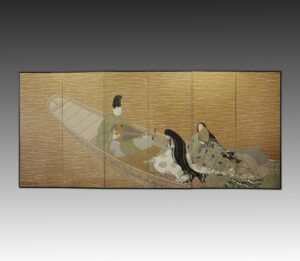
Fine art also underwent a profound transformation during this period. While rooted in classical brush traditions, Nihonga painting gradually expanded to incorporate new artistic perspectives and broader cultural influences.
Artists such as Yokoyama Taikan and Kawai Gyokudō explored modern compositions while drawing inspiration from Chinese motifs, historical narratives, and Pan-Asian cultural traditions. Their work helped shape a modern vision of Japanese painting—one that remained deeply connected to tradition while responding to the evolving spirit of the early twentieth century.





 English
  Japanese